The SPEED System
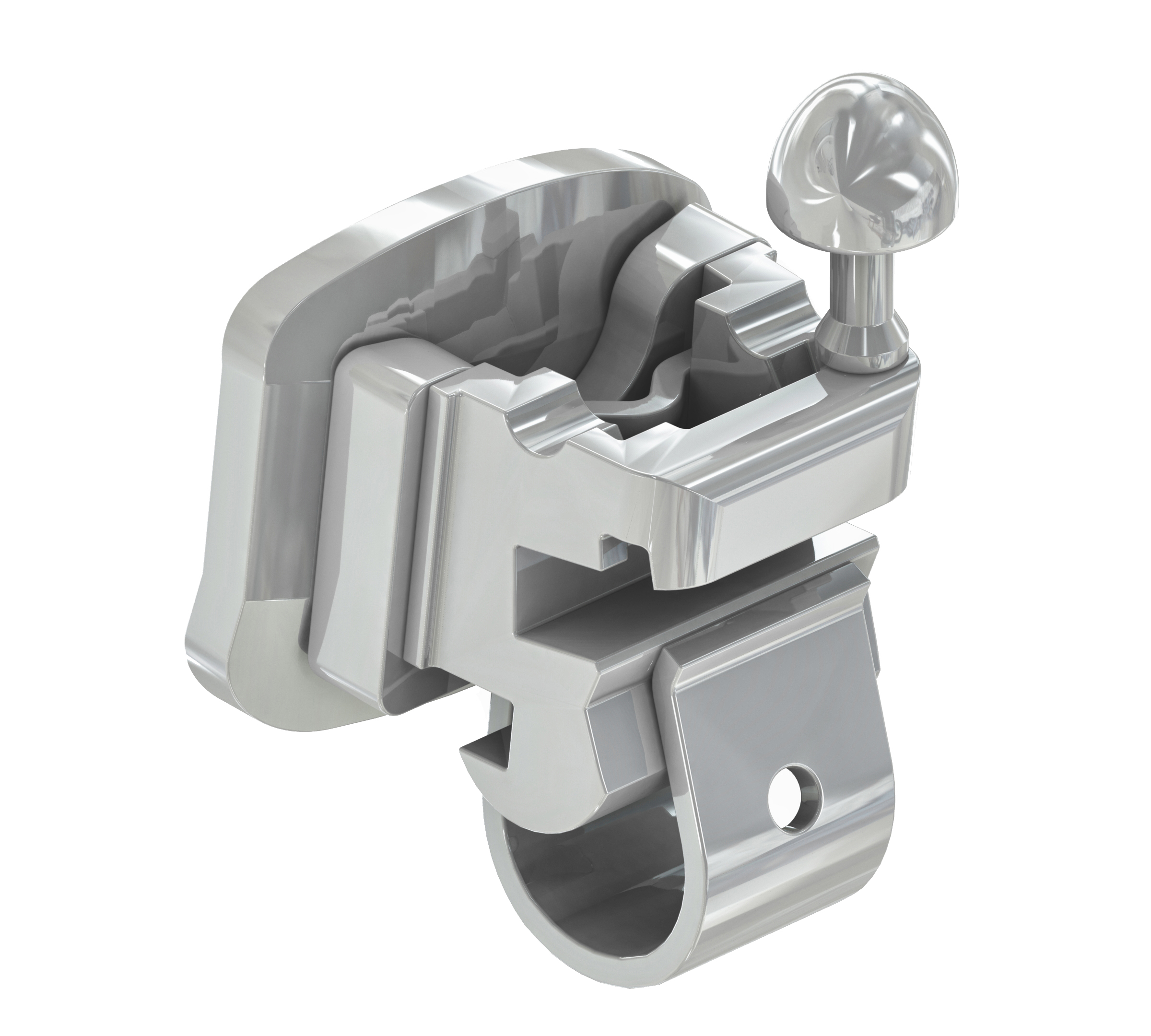
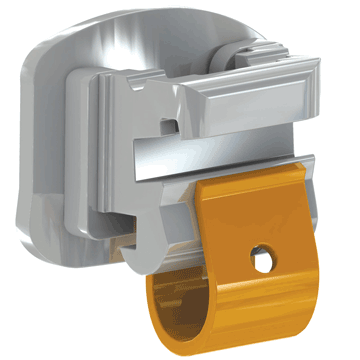
The SPEED design. Powered by the SPEED Spring Clip. Capable of deflecting in three spatial plane to cooperate with the archwire in corrective tooth movement, facilitating low frictional resistance with undersized archwires, and exceptional control with full-sized archwires.
These characteristics are central to the SPEED Design, and are the foundation upon which Active Self Ligating appliances are based. But SPEED’s evolution development over more than 30 years provides distinct clinical advantages.
What is SPEED?
The SPEED Appliance is a miniaturized self-ligating appliance which offers overlapping benefits to both patients and clinicians. Patients enjoy the benefits of improved hygiene, aesthetics and comfort; while clinicians benefit from increased efficiency, chairtime savings and precision in tooth movement due to the action of SPEED’s Super Elastic Spring Clip.
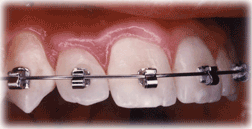
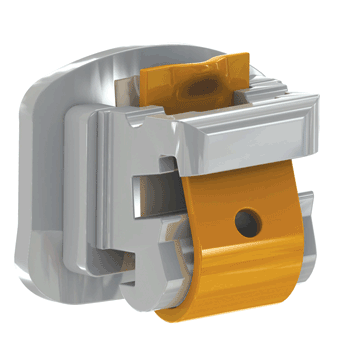
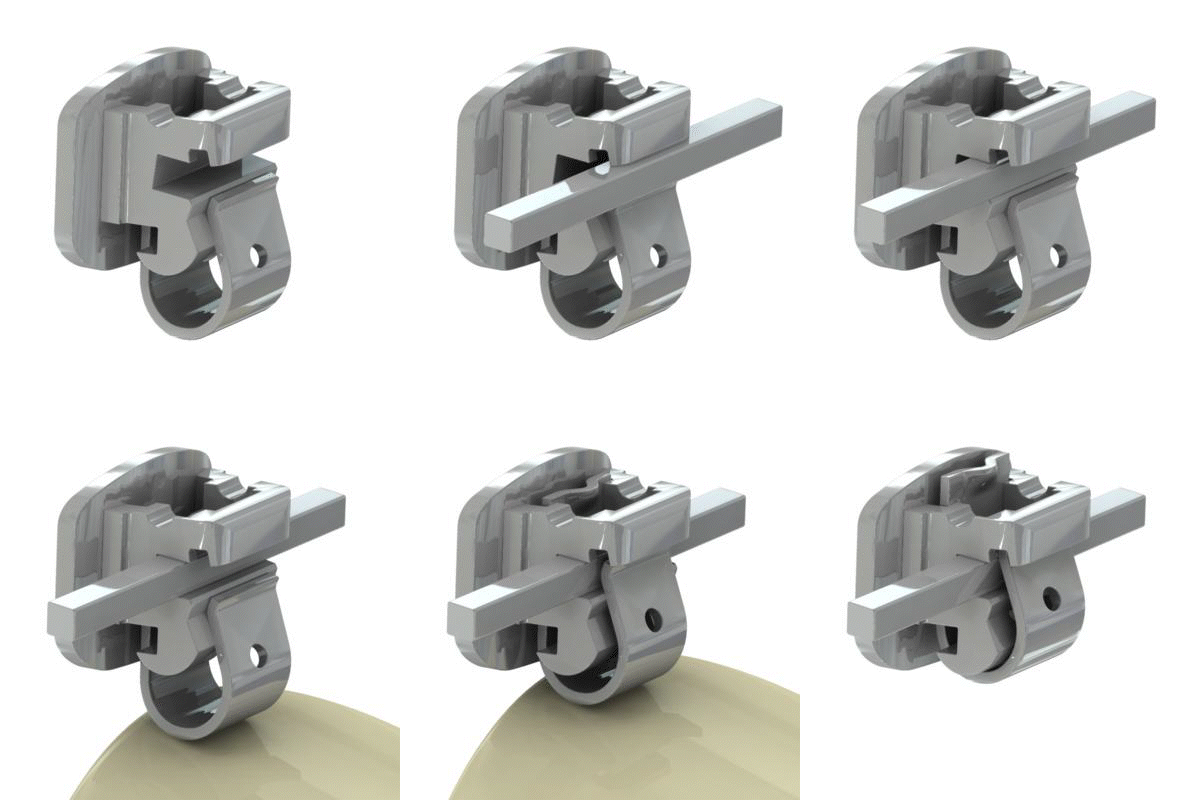
Archwire Slot Open
Archwire Slot Closed
The SPEED Appliance employs a Super-Elastic Nickel Titanium Spring Clip to entrap the archwire. This eliminates the need for ligature ties. The Spring Clip snaps open to allow for archwire insertion and snaps closed to entrap the archwire. By eliminating ligature ties, the appliance reduces chairtime thus maximizing clinical efficiency.
SPEED Appliance landmarks include an edgewise archwire slot available in either .018″ or .022″, a miniaturized SPEED “Mushroom” Hook which can be used for a variety of applications, an .016″ square auxiliary slot which may house a variety of auxiliaries including preformed SPEED Hooks (for elastics), and a coloured identification mark.
SPEED is a totally pre-adjusted edgewise appliance with built-in Torque, Tip and In-Out. Various torque prescriptions are available to suit individual preferences.
Opening and Closing SPEED
Opening SPEED
Whether you choose to open from the labial or the gingival, SPEED will save you chairtime; five to seven minutes per patient visit!
Clinical Efficiency* is what SPEED is all about!
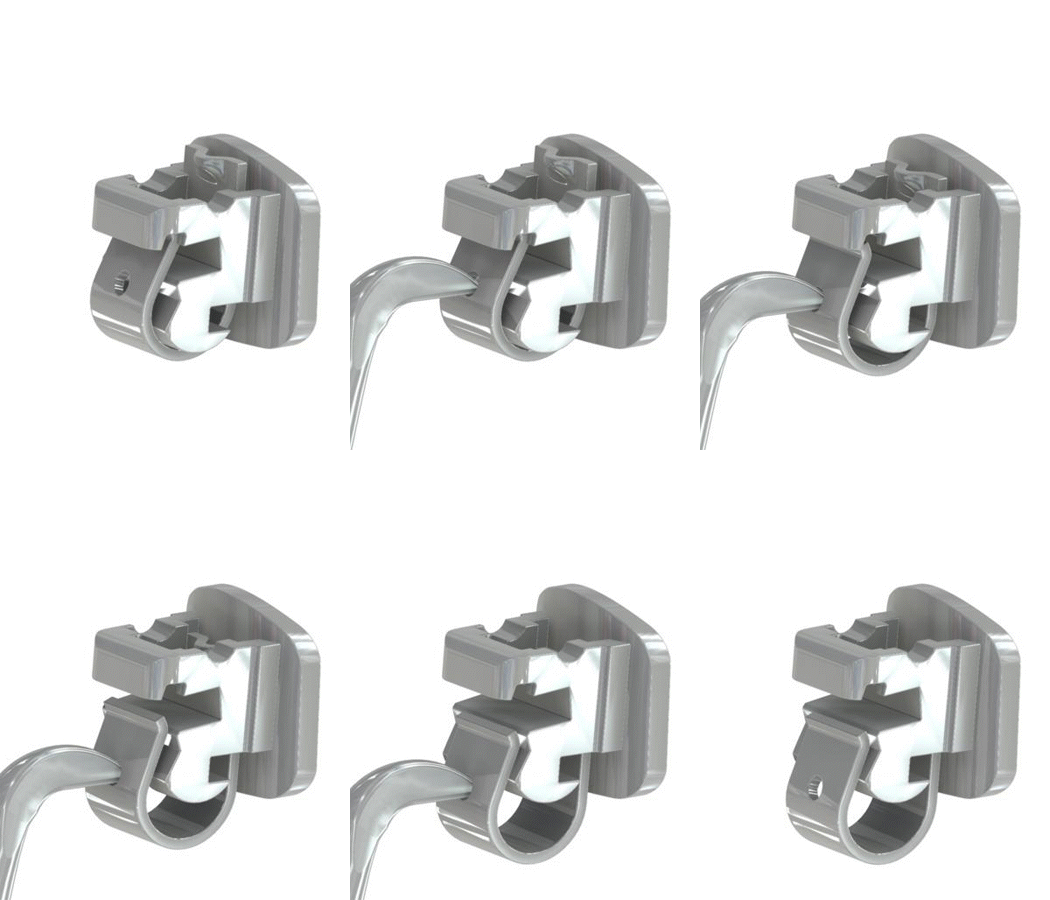
Open from the Labial
Archwire changes are fast and easy with the SPEED Labial Window. Simply insert the tip of an explorer into the Labial Window and apply a light occlusal force. There are no special instruments or complicated techniques required.
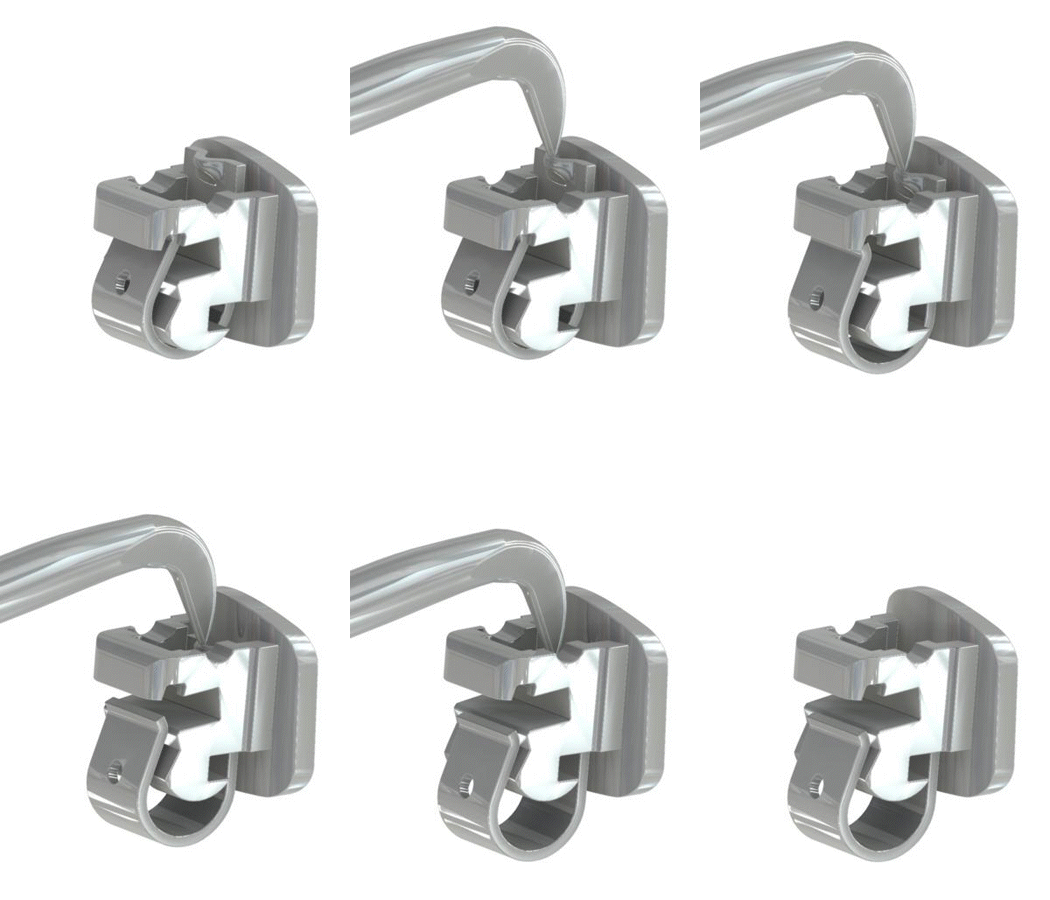
Open from the Gingival
SPEED Brackets can be opened from the gingival if desired. Simply apply a light occlusally directed sliding force to the gingival dimple indent. There are no special instruments or complicated techniques required.
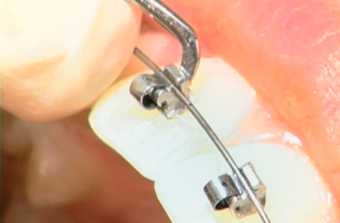
Closing SPEED
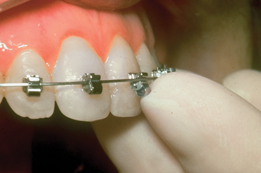
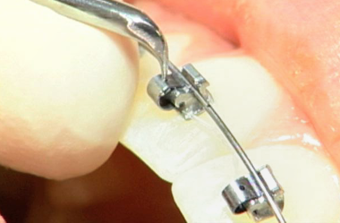
Easy and Fast to Close
- No special instruments required
- Easily closed when using gloves
- Risk of ligature wounds eliminated
- Saves 5-7 minutes per archwire change
Torque Prescriptions
Which Torque Prescription is Best for You?
Choosing the torque prescription which is most appropriate for your practice is the most critical decision once a new appliance has been selected. We at SPEED System Orthodontics realize how perplexing this decision may be and have simplified the selection process through the formulation of 4 torque prescriptions. These formulations – the Hanson Prescription, the Regular Prescription, the Medium Prescription, and the High Prescription – reflect the most current philosophies in orthodontics and each is being used successfully in many SPEED practices.
The Hanson Presciption
The Hanson Prescription, formulated and used by the inventor and developer of the SPEED appliance, Dr. G.H. Hanson, reflects more than two decades of exhaustive research and clinical experience with the SPEED Appliance. This is the prescription of choice for those clinicians who want to fully immerse themselves in the SPEED philosophy.

Available in .018" or .022"
The Regular Presciption – Roth*
The Regular Torque Prescription has evolved from, and is the SPEED System equivalent of, a popular torque selection: The Roth* Prescription. This prescription is ideal for those clinicians who want to experience the benefits of the SPEED Appliance yet prefer the fine results produced by the Roth* formulation.

Available in .018" or .022"
The Medium Torque Prescription – MBT**
The Medium Torque Prescription has evolved from, and is the SPEED System equivalent of, a popular torque selection: The MBT** Prescription. This prescription has been formulated specifically for those clinicians who want more labial crown torque on upper anteriors and more lingual crown torque on lower anteriors. This prescription is being used in many SPEED practices and is a most popular prescription.

Available in .018" or .022"
The High Prescription – Bio Progressive / Ricketts
The High Torque Prescription has been formulated specifically for those clinicians who subscribe to the Bio-Progressive philosophy. This prescription is the SPEED System equivalent of the standard Bio-Progressive formulation and is being used in many SPEED practices.

Available in .018" or .022"
Every user is free to customize their prescription by selecting the appropriate values from the provided chart.
* Does not imply endorsement
** MBT is a trademark of 3M/Unitek
Recommended Archwire Progression
Although SPEED’s edgewise slot will accommodate virtually any size or configuration of arch wire, experienced SPEED users have found that the selected arch wires outlined below most fully exploit SPEED’s unique benefits. These are recommended, in general, for best results. This is a general guideline only. In every instance, the orthodontist must make appropriate judgments for each patient being treated.
Alignment and Leveling
Upper – Lower Arches
(1) .016″ or .018″ Supercable or .014″ or .016″ nickel-titanium round
(2) .018″ or .020″ Supercable or .018″ nickel-titanium (if required)
.018 Slot
(3) Nickel-Titanium – .018″ Round or .017″ x .022″ SPEED
.022 Slot
(3) Nickel-Titanium – .020″ Round or .020″ x .025″ SPEED
Distalization and Retraction
Upper Arch
Molar, Bicuspid and Canine retraction
• Full sized Round Stainless Steel or Cobalt-Chromium wire
Anterior retraction
• Hills Dual Geometry Archwire
Lower Arch
• Hills Dual Geometry Archwire
Finishing and Retention
Upper – Lower Arches
• SPEED Beta Titanium as needed for detailing
• Full sized Stainless Steel SPEED Archwire
SPEED Inventor
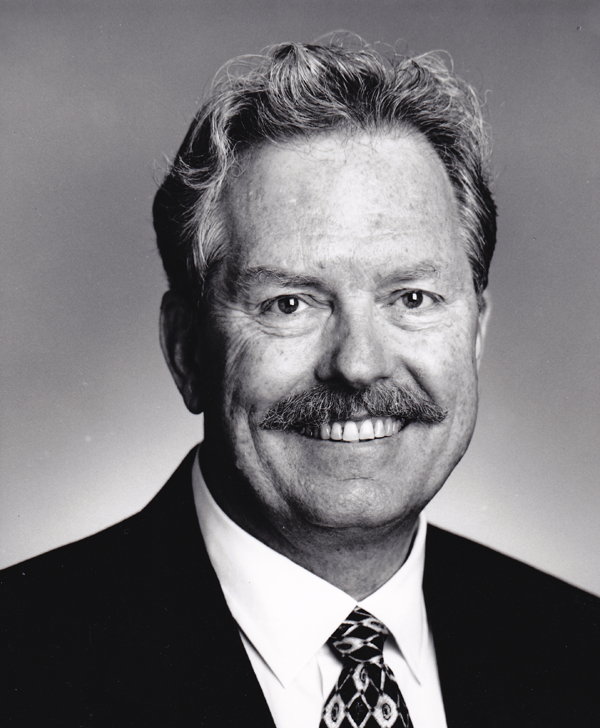
In Memory of
Dr. G. Herbert Hanson
SPEED System Inventor
Dr. Herb Hanson was born in Redditt Ontario Canada which is situated north of Lake of the Woods at approximately the same latitude as Winnipeg Manitoba. He lived with his parents in various wilderness locations on the Canadian National Railway Northline where his early education was largely by correspondence with classes one week per month, in what was known as the “school car”; a modified railway coach. In subsequent years, he attended schools in Middlebro Manitoba, Detroit Lakes Minnesota, Sprague Manitoba, Dunnville Ontario, and finally Port Colborne Ontario. He was accepted into both the dental and orthodontic programs at the University of Buffalo New York, but decided to attend the University of Toronto for financial reasons. In retrospect, he considered this to have been a very fortunate decision. During summer breaks, he worked at the International Nickel Company, INCO, where he received first-hand exposure to many practical aspects of metal refining and metallurgy .
After marrying Evelyn while still at university, he spent one summer in Northern Ontario as a Park Ranger.
During his undergraduate years he displayed an aptitude for orthodontics by winning the Oral Anatomy Scholarship. He began his orthodontic training at the University of Toronto in 1960 when Dr. Harvold was in his final year there as chairman. In the following year under the chairmanship of Don Woodside, Dr. Hanson and his classmates Gunnar Lee, Murray Dewis, Bill McLuhan, and Neil Munro underwent a particularly rigorous program of study in preparation for clinical practice and most especially for teaching. Dr. Hanson flourished in this environment.
Upon graduation, Dr. Hanson established a busy practice in Hamilton, Ontario. He returned to the University of Toronto to teach undergraduates for one year but had to decline several invitations to return for family reasons. As early as 1960 Dr. Hanson resolved to develop a more efficient orthodontic appliance.
In 1967, he began working with a Hamilton machinist to make prototypes of an early version of a self-ligating orthodontic bracket. By 1969, he began working with Unitek Corporation and filed his first patent application. An engineer from the U.S. Naval Ordinance Laboratories, who had recently joined Unitek, was assigned to work with Dr. Hanson to produce and test precision cast cobalt-chromium prototypes designed for use with special precipitation hardening springs. Unfortunately, when his patent failed to issue and the first prototypes proved disappointing, Unitek lost interest in the project.
Undeterred, Dr. Hanson began working with the Centre for Applied Research and Engineering Design at McMaster University. By this point, he had an upgraded design which proved to be patentable.
In 1975, he began working with Strite lndustries of Cambridge Ontario where he had the good fortune to work very closely with Austin Hills; the engineer responsible for developing the altitude augmentation system for the Avro Arrow supersonic fighter jet of the 1950s. This proved to be an especially intellectually-stimulating time and was a unique education in practical engineering.
In 1978, Strite lndustries provided Dr. Hanson with early prototype components which he and his assistant spot welded to Rocky Mountain foil mesh pads. This was very exacting and time-consuming and even required polishing of each individual attachment.
Dr. Hanson won the C. Edward Martinek Outstanding Table Clinic Award when he first introduced the SPEED Appliance at the Great Lakes Association of Orthodontists Annual Meeting in Cincinnati Ohio in 1978.
Throughout the 1980’s and 1990’s, Dr. Hanson lectured widely in North America and in parts of Europe. Additionally he shared his knowledge of orthodontics with graduate students of Canadian and American Universities during visits that were made to his private practice.
He retired from active practice in 2002 but remained engaged in orthodontic product development in association with SPEED System Orthodontics and Strite Industries of Cambridge, Ontario. Dr. Hanson passed away on May 15, 2012 at the age of 78. One need only examine the current product landscape to see what an enormous contribution Dr. Hanson made to the profession.
SPEED Manufacturer

STRITE INDUSTRIES LIMITED
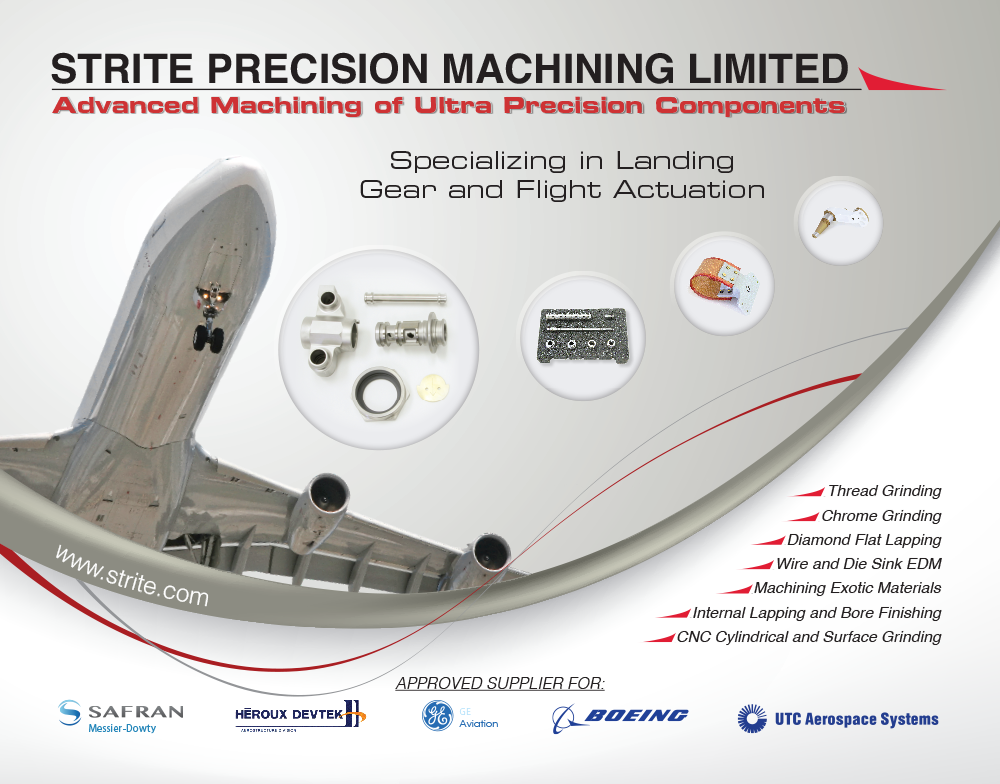
Strite Industries Limited is a leading manufacturer of precision machined metal products. Strite Industries consists of two wholly owned subsidiaries; Strite Precision Machining, and Hespeler Orthodontics; both located within the same 100,000 square foot manufacturing facility in Cambridge, Ontario, Canada.
Strite Precision Machining specializes in the manufacture of complex aerospace components that demand extreme precision. These are supplied to both the commercial and military aviation industries. Strite is currently working on precision components for the “Joint Strike Fighter”, the Boeing “Dreamliner” and Airbus “A380” Superjumbo.
The advanced manufacturing techniques developed by Strite Precision Machining for use in the Aerospace Industry are shared with the Orthodontic subsidiary; making Hespeler Orthodontics superbly qualified to take on the exacting, precise work required to develop and produce the SPEED appliance.